

The Masonry King Way.
Worth Preserving.
One Repair. Many Details.
A Good Repair Should Feel Like It Was Always There.
01 - Consistant Joint Profile
02 - Clean Transition Into Surrounding Masonry
03 - Material Selected To Compliment Surrounding Work
04 - Finished to feel like a part of the structure
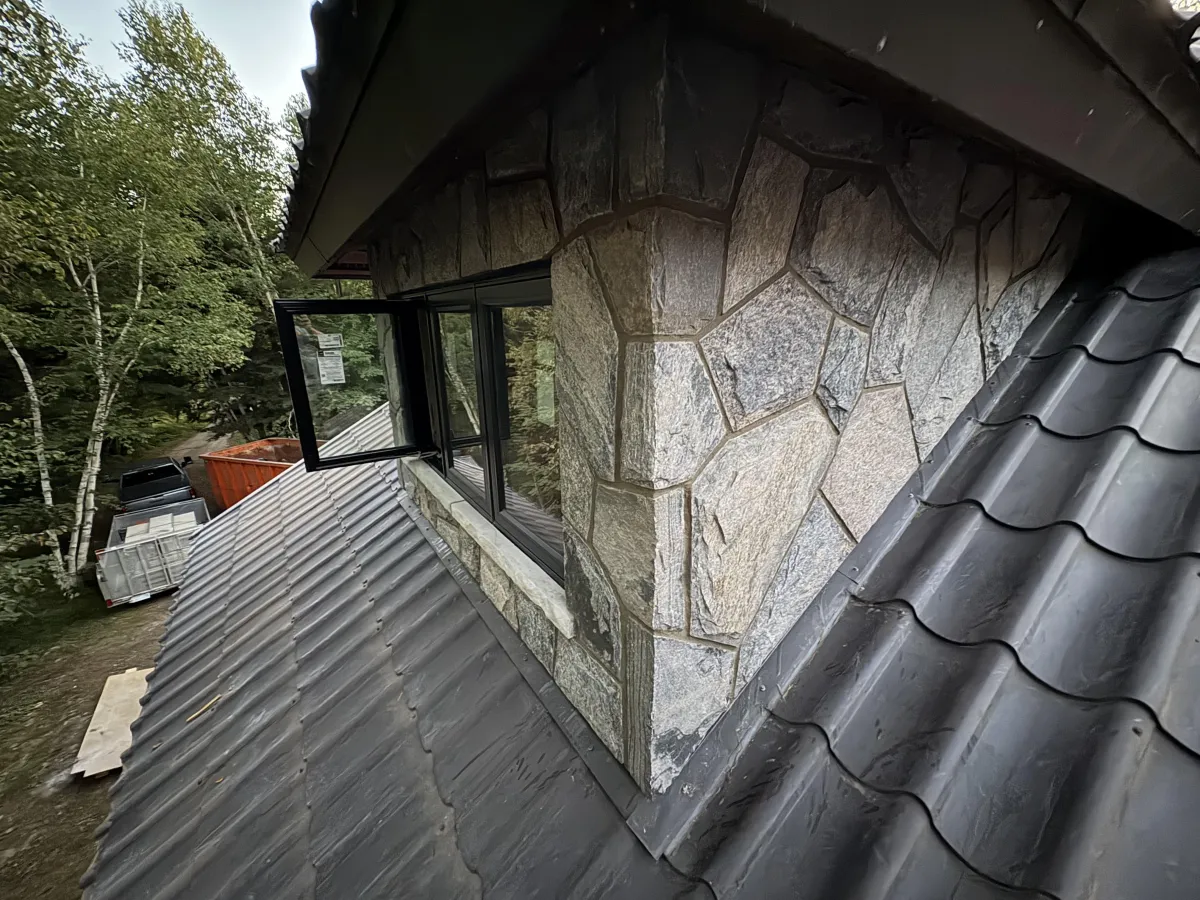
"Fix it, for forever"
summer 2026
The Best Repairs Are Ones You Forget To Notice.
01 - Repair.
A repair addresses a specific area while leaving the majority of the existing masonry undisturbed.
It is typically the right approach when the concern is localized and the surrounding work remains in suitable condition.
This may include replacing an individual damaged stone, correcting a small section of deteriorated mortar, or securing isolated loose masonry.
02 - Restore.
Restoration involves working across a larger area to renew the masonry while preserving as much of the original structure and character as possible.
It may require several coordinated repairs rather than one isolated correction.
This may include renewing deteriorated joints, replacing multiple damaged units, or carefully bringing an aging masonry feature back into dependable condition.
03 - Rebuild.
A rebuild removes and reconstructs an affected section when the existing masonry can no longer provide a reliable base for repair or restoration.
It is considered when keeping the original work would compromise the finished result.
This may include unstable, shifting, severely deteriorated, or repeatedly failing masonry that requires the affected section to be properly reconstructed.
Start with the cause.
The Visible Damage May Only Be Part of The Story.
Cracking
Cracks may be limited to a joint or connected to movement elsewhere in the structure. Their location, direction, and progression help determine the appropriate next step.
Deteriorated Mortar
Mortar can weaken and wear away over time, allowing moisture to enter and leaving surrounding masonry less protected.
Loose or Damaged Masonry
Individual stones, bricks, or sections may require repair or replacement when they become loose, fractured, or unstable.
Moisture and Staining
Discolouration, staining, or repeated dampness can indicate that water is entering or collecting where it should not.
Built Differently.
The Masonry King Standard.
We believe great masonry should be more than beautiful on the day it is completed. It should be properly planned, carefully built, and designed to remain strong for decades.
Built to last
Strong Foundations, proper methods, and work designed for longevity.
Crafted with care
Natural materials, thoughtful details, and craftsmanship that elevate the space.
Trusted from start to finish
Honest communication, dependable execution, and a process homeowners can feel confident in.
Want to freshen up your space?
Redesign Inspiration

Dimensional
Clean lines and balanced shapes create a structured, refined appearance. This pattern works especially well in contemporary cottages, transitional homes and spaces with strong architectural lines.

Mosaic
Irregular stone shapes create a natural, handcrafted look with plenty of movement and character. It feels especially at home in Muskoka cottages, rustic interiors and spaces designed to feel connected to the surrounding landscape.

Ledgestone
Long, narrow stone pieces emphasize horizontal lines and create a layered, textured appearance. It complements modern cottages, open-concept homes and rooms with clean, understated finishes.

Brick
Brick brings warmth, rhythm and familiar character to a fireplace. Depending on the colour and mortar finish, it can suit everything from traditional homes and farmhouses to clean, modern interiors.
Shape the space
Redesigning Materials
Natural Stone
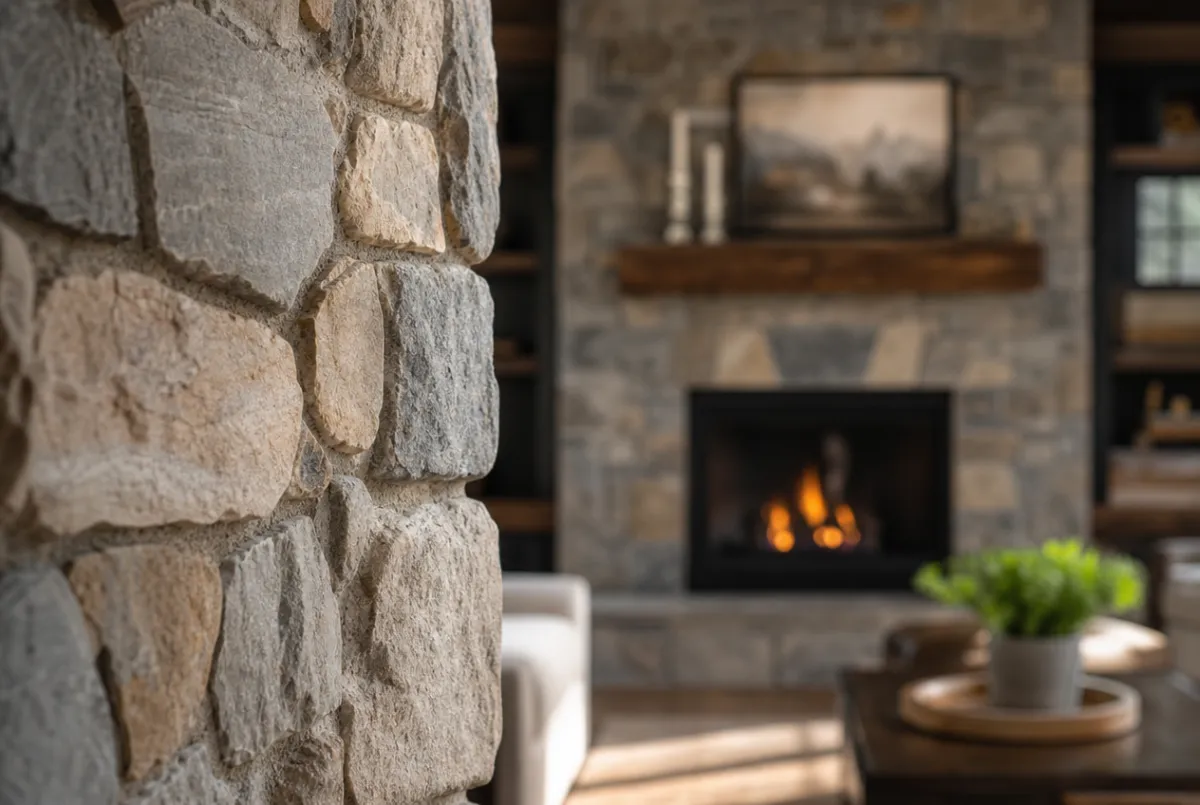
Authentic Character
Every piece of natural stone has its own shape, colour and texture, creating a fireplace that feels substantial and completely individual.
Timeless Appeal
Natural granite brings the strength and character of the Muskoka landscape into the home, making it especially well suited to cottages and custom-built spaces.
Handcrafted Finish
Natural granite brings the strength and character of the Muskoka landscape into the home, making it especially well suited to cottages and custom-built spaces.
Manufactured Stone
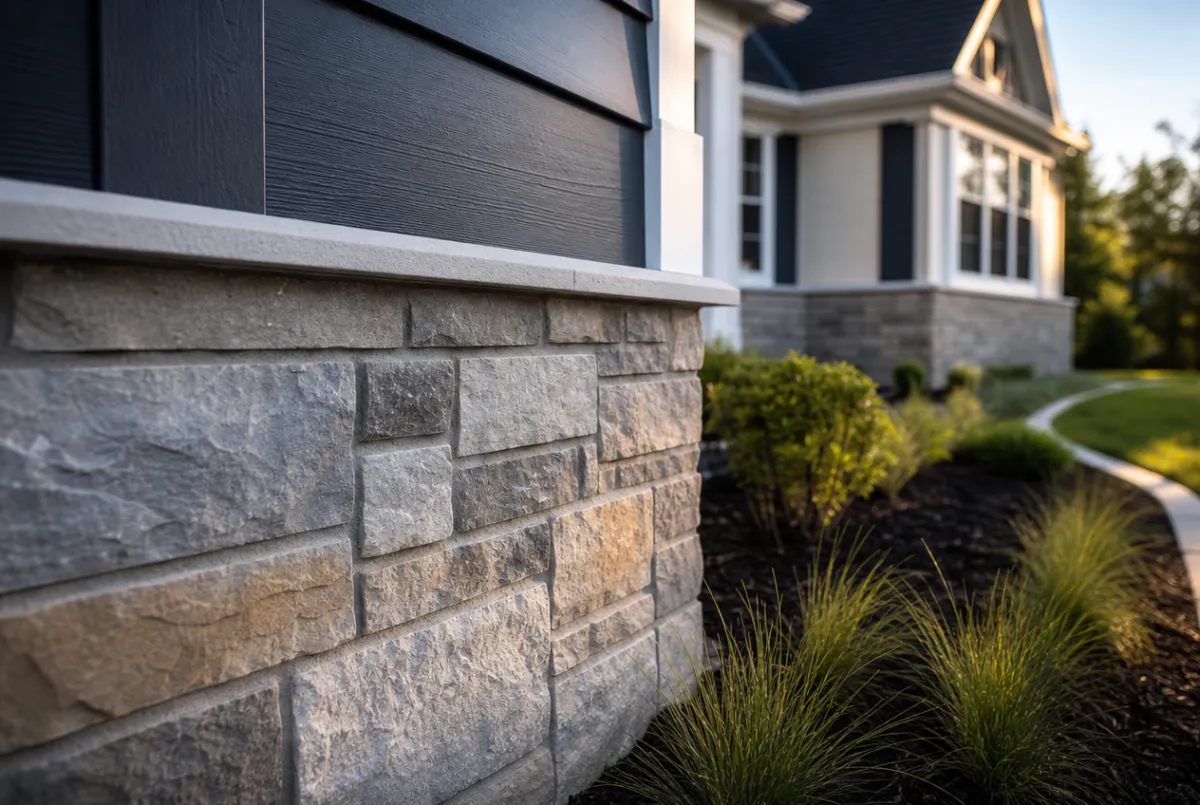
Lighter Construction
Its lighter weight makes it suitable for spaces where full-depth natural stone may require additional structural support.
Constant Appearance
Each stone is selected, shaped and placed individually, allowing the mason to create a pattern that feels balanced, organic and intentional.
Greater Design Flexibility
Stone veneer is available in a wide variety of colours, profiles and patterns, making it easier to coordinate with different architectural and interior styles.
STILL NOT SURE?
Frequently Asked Questions
Can damaged masonry be repaired without rebuilding everything?
In many cases, yes. Localized deterioration, failed mortar, or individual damaged units may be repairable without rebuilding the entire feature. The appropriate scope depends on the condition of the surrounding masonry and what caused the damage.
How do you match the existing stone, brick and mortar?
We examine details such as material colour, size, texture, joint profile, mortar colour, and the weathered appearance of the surrounding work. An exact match is not always available, particularly with older materials, but the goal is to create a repair that feels natural and visually connected.
What causes masonry to crack and deteriorate.
Common contributors can include moisture, freeze-and-thaw cycles, age, structural movement, deteriorated mortar, improper drainage, or previous work that did not address the underlying issue. The visible damage should be assessed before selecting a repair method.
How can I tell whether the damage is domestic or more serious?
It is not always possible to determine that from appearance alone. Cracks that continue growing, loose masonry, bulging or leaning areas, repeated water entry, and repairs that continue failing should be looked at more closely.
Is restoration more expensive than complete replacement?
It can be when the affected area is localized and the surrounding masonry remains in suitable condition. However, repeatedly patching a deeper issue can cost more over time. A proper assessment helps determine which option offers the strongest long-term value.
What should I send when requesting an assessment?
Start with a few clear photographs showing the affected area from both close up and farther away. Include when you first noticed the problem, whether it appears to be changing, and any information you have about previous repairs or water concerns.
Start with clarity
You Don't have to know exactly what is wrong
Show us what you are seeing.
Cracking, loose masonry, deteriorated mortar, staining, or something that simply no longer looks right—the first step is understanding what has changed.
Tell us what you have noticed or send us a few photographs. We will help you determine whether the project needs a focused repair, a more complete restoration, or a closer on-site assessment.
You do not need to diagnose it alone. You just need somewhere to start.


